International Cooperation for Global Peace and Stability Introduction
In an increasingly interconnected world, maintaining peace and stability requires collaboration among nations, international organizations, and global institutions. Conflicts, economic crises, climate challenges, and humanitarian emergencies often cross national borders, making it impossible for any single country to address these issues alone. As a result, international cooperation has become a fundamental pillar for ensuring global peace and security.
Diplomatic dialogue, multilateral agreements, and coordinated international efforts help reduce tensions, resolve disputes, and promote long-term stability. Global institutions such as the United Nations play a central role in facilitating communication between countries and encouraging peaceful solutions to international conflicts.
Over the past several decades, international cooperation has helped prevent wars, support humanitarian missions, and create frameworks that promote economic development and human rights. While challenges remain, collaborative global efforts continue to be essential for maintaining a peaceful international order.
The Role of International Organizations
International organizations serve as platforms where countries can discuss global issues, negotiate agreements, and coordinate collective action. These institutions provide mechanisms for diplomacy and conflict resolution that help reduce the risk of military confrontation.
The United Nations remains one of the most influential global organizations working to maintain international peace. Through peacekeeping missions, humanitarian programs, and diplomatic negotiations, the organization supports stability in regions affected by conflict.
Another key institution is the North Atlantic Treaty Organization, which promotes collective security among its member states. By coordinating defense strategies and encouraging diplomatic cooperation, the alliance aims to prevent conflicts and maintain regional stability.
Similarly, organizations such as the World Bank and the International Monetary Fund contribute to peace by supporting economic development and financial stability in countries facing economic challenges.
These institutions demonstrate how international cooperation can address complex global issues through dialogue and collaboration rather than conflict.
Diplomacy as a Tool for Conflict Resolution
Diplomacy plays a crucial role in preventing conflicts and resolving disputes between nations. Diplomatic negotiations allow governments to address disagreements through communication and compromise rather than military action.
Throughout modern history, diplomatic negotiations have successfully prevented many potential conflicts from escalating into wars. Diplomatic forums provide neutral spaces where leaders can discuss sensitive issues, build trust, and work toward peaceful solutions.
Peace agreements often involve multiple countries and international mediators who help facilitate negotiations. These mediators encourage compromise and ensure that agreements are implemented effectively.
Diplomacy also allows countries to cooperate on global challenges such as climate change, terrorism, public health crises, and economic instability. By working together, nations can address problems that affect multiple regions simultaneously.
Peacekeeping and Humanitarian Missions
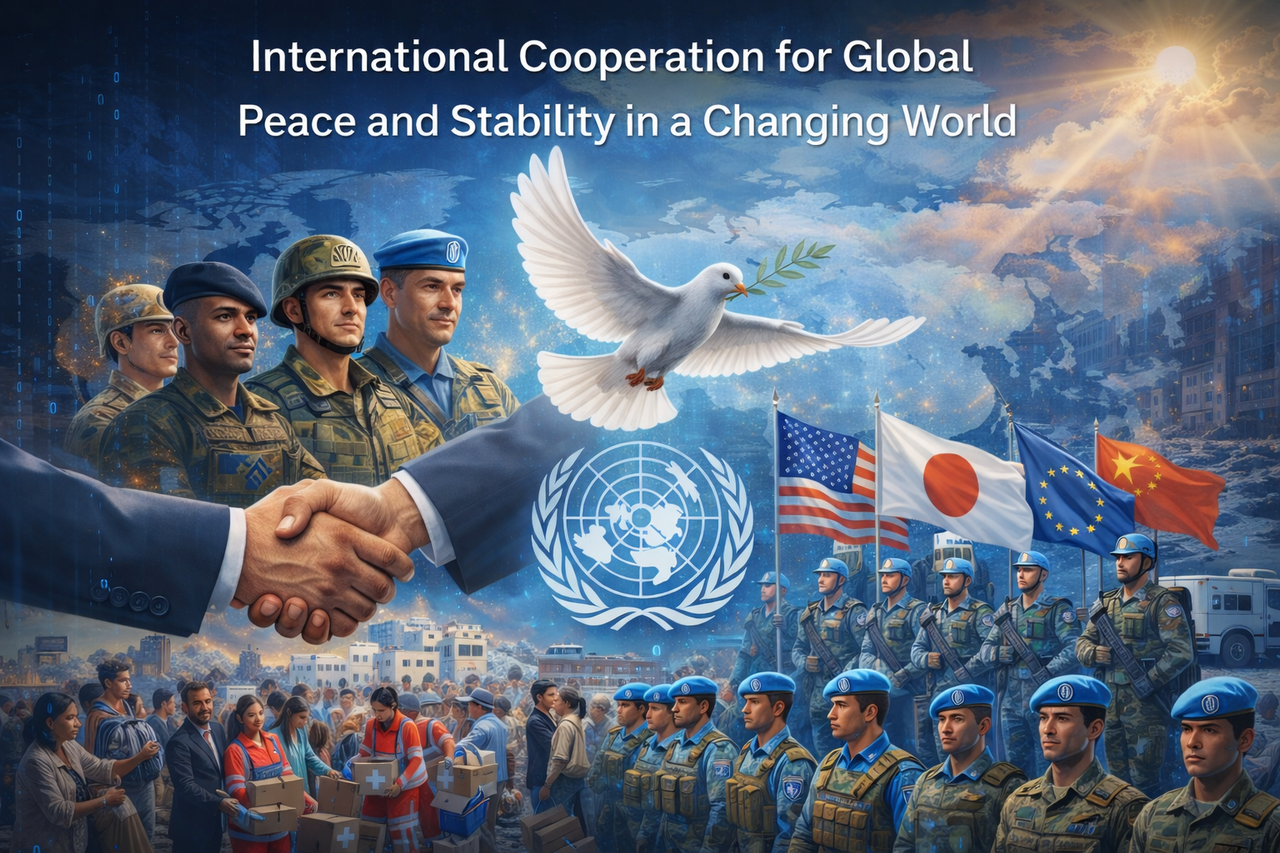
Peacekeeping missions are another important component of international cooperation for global stability. These missions involve international forces deployed to conflict zones to maintain ceasefires, protect civilians, and support peace agreements.
Peacekeeping operations coordinated by the United Nations have been implemented in various regions around the world. These missions often include military personnel, police officers, and civilian experts from multiple countries working together to stabilize areas affected by conflict.
Humanitarian organizations also play a critical role in supporting peace and stability. Groups such as the International Red Cross provide emergency medical care, food assistance, and shelter to communities affected by war and natural disasters.
Humanitarian missions not only save lives but also help rebuild communities and restore stability in regions recovering from conflict.
Economic Cooperation and Global Stability
Economic cooperation between countries is another key factor in promoting peace. Strong economic partnerships encourage trade, investment, and development, which can reduce tensions between nations.
International trade agreements and economic partnerships create opportunities for shared prosperity. When countries depend on one another economically, they are often more motivated to resolve disputes peacefully.
Economic institutions such as the World Trade Organization help regulate global trade and encourage fair economic practices. These frameworks reduce the likelihood of economic conflicts and support stable international markets.
Additionally, economic cooperation helps developing countries improve infrastructure, education systems, and healthcare services. By addressing economic inequality and promoting development, international partnerships can help reduce the conditions that sometimes contribute to conflict.
Challenges to Global Cooperation
Despite the importance of international cooperation, several challenges continue to affect global peace efforts. Political disagreements, national interests, and regional tensions can sometimes complicate diplomatic relations between countries.
Geopolitical competition between major powers can create divisions within international organizations, making it more difficult to reach consensus on certain issues. Economic inequality, resource disputes, and ideological differences can also contribute to tensions between nations.
Another challenge is the increasing complexity of global threats. Issues such as cybercrime, climate change, and global pandemics require coordinated responses from multiple countries, which can be difficult to organize effectively.
Addressing these challenges requires strong leadership, transparent communication, and continued commitment to diplomatic engagement.
The Role of Regional Cooperation
Regional organizations also play a significant role in promoting peace and stability. Groups of neighboring countries often collaborate on security, economic development, and environmental protection.
For example, the European Union has developed policies that encourage economic integration and political cooperation among its member states. This collaboration has contributed to long-term stability in Europe.
Similarly, organizations such as the Association of Southeast Asian Nations promote regional cooperation through dialogue and economic partnerships. By addressing regional challenges collectively, these organizations strengthen diplomatic relationships between neighboring countries.
Regional cooperation complements global initiatives by focusing on specific geographic areas where collaborative action can have the greatest impact.
The Future of Global Peace Initiatives
Looking ahead, international cooperation will remain essential for addressing the complex challenges of the modern world. Technological innovation, economic globalization, and environmental changes will continue to shape global relations.
Future peace initiatives are likely to involve greater collaboration between governments, international organizations, private institutions, and civil society groups. Advances in communication technology may also improve diplomatic dialogue and conflict resolution efforts.
Education, cultural exchange programs, and international partnerships can help build mutual understanding between societies and reduce tensions between nations.
By strengthening diplomatic institutions and promoting shared global values, countries can work together to create a more peaceful and stable world.
Conclusion
International cooperation remains one of the most effective strategies for maintaining global peace and stability. Through diplomacy, economic partnerships, humanitarian missions, and peacekeeping efforts, countries can address conflicts and challenges in a constructive and collaborative manner.
Organizations such as the United Nations and other international institutions provide essential platforms for dialogue and cooperation among nations. While obstacles remain, continued commitment to diplomacy and multilateral collaboration can help prevent conflicts and promote sustainable development.
In an era where global challenges increasingly cross national boundaries, cooperation between countries is more important than ever. By working together, the international community can build a future defined not by conflict but by cooperation, stability, and shared prosperity.
You can read more:
-Global Peace Initiative 2026: Board of Peace, Ukraine Talks, and Gaza Ceasefire Efforts Gain Global Attention
-Global Peace Efforts in 2026: Diplomacy, Ceasefires & International Cooperation



Comments
Post a Comment