Introduction
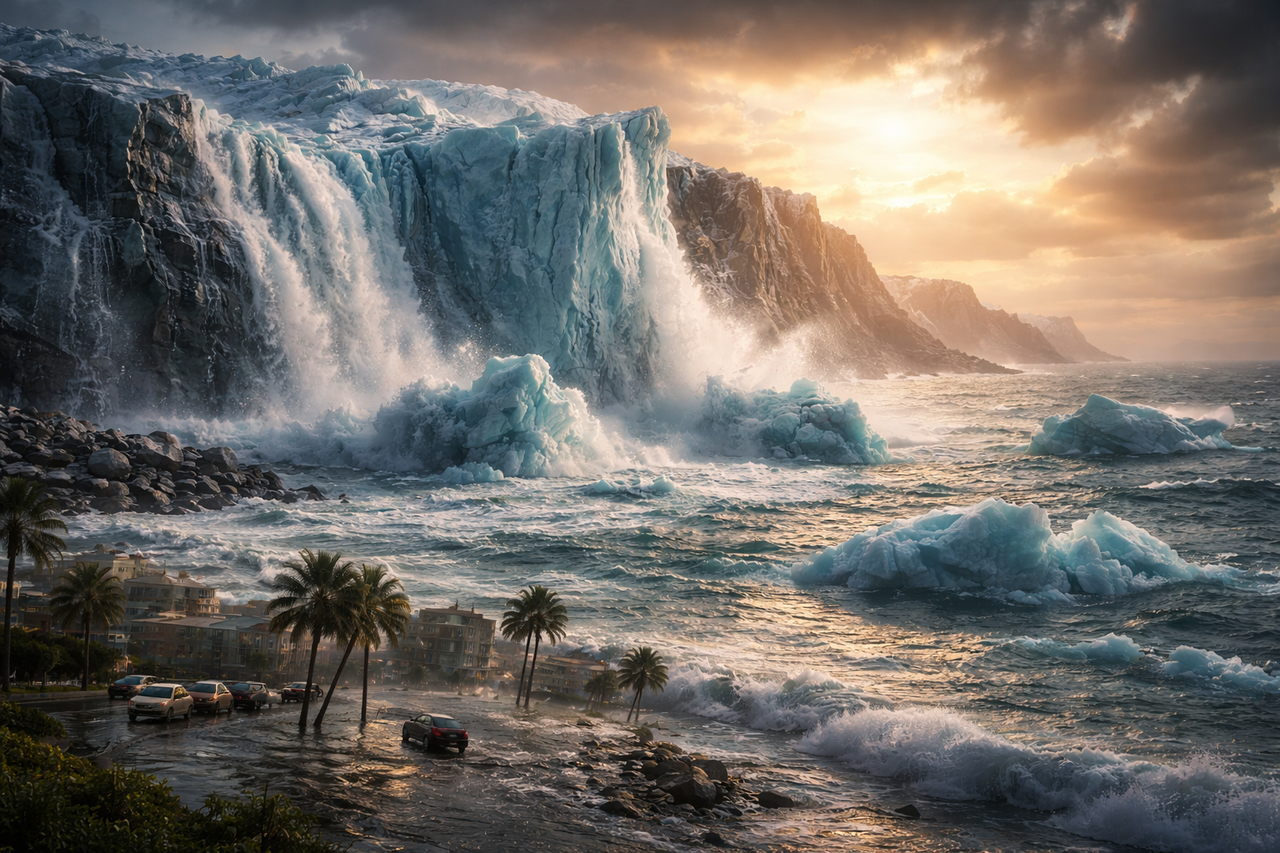
Climate change is no longer a distant threat—it is a present reality reshaping the planet in profound ways. Among its most visible and alarming effects are the melting of glaciers and the steady rise in global sea levels. These changes are not isolated events; they are interconnected processes that have far-reaching consequences for ecosystems, economies, and human populations worldwide.
From the icy expanses of the Arctic to the densely populated coastal regions of Asia, the effects of melting ice and expanding oceans are becoming increasingly evident. Understanding these phenomena is essential for addressing one of the most pressing challenges of our time.
What Are Glaciers and Why Do They Matter?
Glaciers are vast, slow-moving masses of ice formed over centuries from accumulated snowfall. Found in polar regions and high mountain ranges, they serve as critical freshwater reservoirs, storing nearly 69% of the world’s freshwater supply.
Beyond their role as water sources, glaciers act as natural regulators of the Earth’s climate. Their bright, reflective surfaces help bounce sunlight back into space, reducing global temperatures. When glaciers shrink, this reflective capacity diminishes, accelerating warming in a feedback loop.
Glaciers also support ecosystems and human livelihoods. Rivers fed by glacial meltwater sustain agriculture, provide drinking water, and generate hydroelectric power in many parts of the world.
The Science Behind Melting Glaciers
The primary driver of glacier melt is global warming, caused by increased concentrations of greenhouse gases such as carbon dioxide and methane in the atmosphere.
Key Factors Contributing to Glacier Melt
1. Rising Global Temperatures
Average global temperatures have risen significantly over the past century. Even small increases can have a dramatic impact on glaciers, causing them to lose more ice during warmer months than they gain during colder periods.
2. Ocean Warming
Warmer ocean waters erode glaciers from below, particularly those that extend into the sea. This process accelerates ice loss and contributes significantly to rising sea levels.
3. Black Carbon and Pollution
Particles from burning fossil fuels and biomass settle on ice surfaces, reducing their reflectivity. This causes glaciers to absorb more heat and melt faster.
4. Changing Weather Patterns
Shifts in precipitation can reduce snowfall in glacial regions, limiting the formation of new ice and disrupting the natural balance.
How Rising Sea Levels Occur
Sea levels rise through two main mechanisms, both linked to climate change.
1. Melting Land Ice
When glaciers and ice sheets melt, the resulting water flows into the oceans, increasing their volume.
2. Thermal Expansion
As ocean temperatures rise, seawater expands. This expansion contributes significantly to sea-level rise, even without additional water from melting ice.
Together, these processes have caused a steady increase in global sea levels over the past century.
Current Trends and Data
Scientific observations show that global sea levels have risen by approximately 20–25 centimeters (8–10 inches) since 1900. More concerning is the rate of increase, which has accelerated in recent decades.
Major contributors include:
-The Greenland Ice Sheet
-The Antarctic Ice Sheet
-Mountain glaciers across continents
Satellite data and climate models indicate that if current trends continue, sea levels could rise significantly by the end of the century.
Global Impacts of Rising Sea Levels
The consequences of rising seas are widespread and increasingly severe.
Coastal Flooding and Erosion
Low-lying coastal areas are experiencing more frequent and intense flooding. Shorelines are eroding, threatening homes, infrastructure, and natural habitats.
Displacement of Communities
Millions of people living in coastal regions may be forced to relocate as their homes become uninhabitable. This displacement can lead to social and economic instability.
Saltwater Intrusion
Rising seas can contaminate freshwater sources, making drinking water scarce and harming agriculture.
Intensified Storm Surges
Higher sea levels amplify the impact of storms, leading to more destructive flooding during hurricanes and cyclones.
Why It Matters for Vulnerable Countries
Countries with low-lying geography and dense populations are particularly at risk. For example, Bangladesh faces significant challenges due to rising sea levels.
Large portions of its land are just a few meters above sea level, making it highly susceptible to flooding. Millions of people depend on coastal agriculture and fisheries, both of which are threatened by saltwater intrusion and changing environmental conditions.
The situation highlights the urgent need for global cooperation and localized adaptation strategies.
Environmental Consequences
The melting of glaciers and rising seas also have profound effects on ecosystems.
Loss of Biodiversity
Species that depend on cold environments, such as polar animals, are losing their habitats. Coral reefs are also under threat due to warming waters and increased salinity.
Disruption of Ocean Currents
Changes in temperature and salinity can alter ocean circulation patterns, affecting weather systems worldwide.
Reduced Freshwater Availability
As glaciers shrink, the long-term supply of freshwater for millions of people is at risk.
Economic Impacts
The financial costs of rising sea levels are immense.
-Damage to infrastructure such as roads, ports, and buildings
-Increased spending on flood defenses and disaster recovery
-Loss of agricultural productivity
-Decline in tourism in affected coastal regions
Developing countries are especially vulnerable, as they often lack the resources to implement large-scale adaptation measures.
Future Projections
Climate models suggest that sea levels could rise between 0.5 and 1 meter by 2100, depending on greenhouse gas emissions.
In worst-case scenarios, the rise could be even higher due to rapid ice sheet collapse. Such changes would have catastrophic consequences for coastal cities and ecosystems.
Solutions and Mitigation Strategies
Addressing the challenges of melting glaciers and rising sea levels requires a combination of mitigation and adaptation efforts.
Reducing Greenhouse Gas Emissions
Transitioning to renewable energy sources such as solar and wind power is essential. Improving energy efficiency and reducing reliance on fossil fuels can significantly lower emissions.
Protecting Natural Barriers
Mangroves, wetlands, and coral reefs act as natural defenses against coastal flooding. Preserving and restoring these ecosystems can help reduce the impact of rising seas.
Building Resilient Infrastructure
Investing in sea walls, flood barriers, and climate-resilient buildings can protect vulnerable communities.
International Cooperation
Climate change is a global issue that requires coordinated action. Agreements and partnerships between countries are crucial for sharing resources and knowledge.
The Role of Individuals
While large-scale action is necessary, individuals can also contribute:
-Reducing energy consumption
-Supporting sustainable products
-Advocating for climate-friendly policies
-Raising awareness about environmental issues
-Collective action at all levels can make a meaningful difference.
Conclusion
Melting glaciers and rising sea levels are among the most urgent challenges facing humanity today. Driven by climate change, these processes are reshaping the planet in ways that threaten ecosystems, economies, and human livelihoods.
The science is clear, and the consequences are already visible. However, the future is not predetermined. Through informed decisions, technological innovation, and global cooperation, it is still possible to mitigate the worst impacts and build a more sustainable future.
Understanding the causes and effects of these changes is the first step toward meaningful action. The time to act is now.
You can read more:
-Global Food Shortages Linked to Climate Change: Causes, Impacts & Long-Term Solutions
-Sustainable Agriculture and the Future of Food: Innovations, Climate Resilience and Global Food Security
-Climate Change Impact on Coastal Cities in 2026 – Risks, Adaptation & Solutions
-Water Scarcity Crisis: Causes, Most Affected Regions, and Sustainable Solutions for the Future



Comments
Post a Comment